ABOUT THE PLATFORM
 The interactive platform provides a one-stop hub for civil society engagement by the Bank and enables two-way communication with civil society and other non-state actors. It is a repository of the Bank´s experience and knowledge of CSE and is expected to build institutional memory in an open-source format. The online platform also provides a link to the civil society database to make it accessible to any person consulting the platform as well as to other important microsites of the Bank dealing with critical development issues and challenges such as anti-corruption, disclosure, and access to information, jobs for youth, climate change, affirmative finance action for women in Africa and climate change amongst others
ABOUT CIVIL SOCIETY ENGAGEMENT
Civil Society Organizations (CSOs) are increasingly involved in forging strategic partnerships with governments, businesses donors, and are, to a large extent, engaged in official consultative processes at regional and continental levels. Indeed, civil society has a diverse role to play in Africa’s social and economic transformation and over the past decades, civil society in emerging economies has grown into a dynamic, innovative, and influential ecosystem with increased power beyond their traditional role and sector.
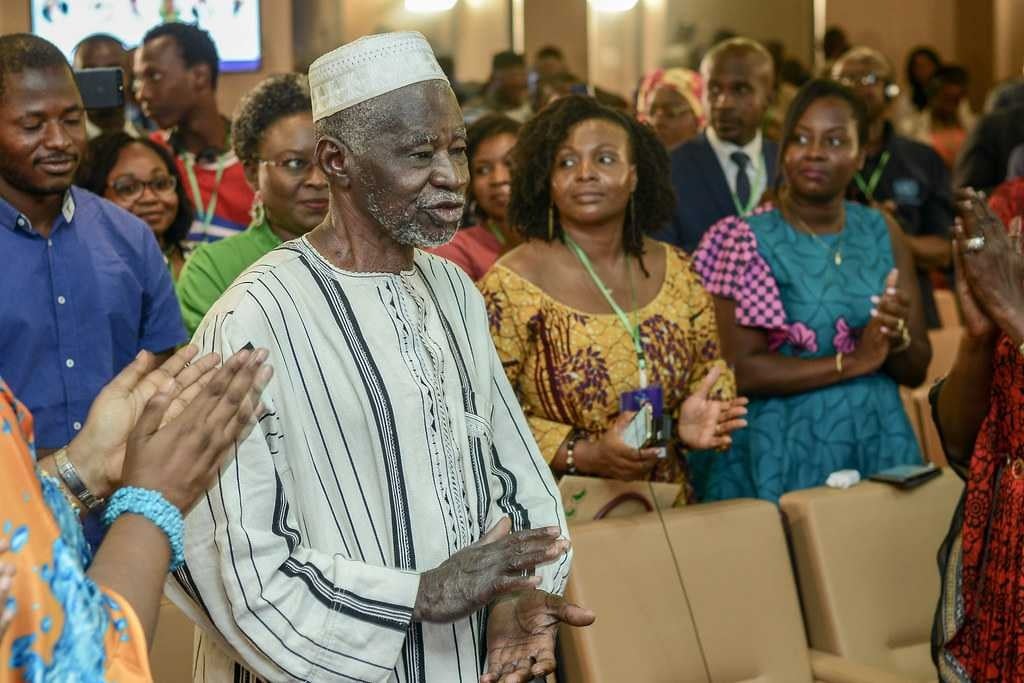 Consistent with the global shift in terms of technology, globalization, geopolitics and emerging markets, the roles and responsibilities of civil society in Africa have evolved. In the quest to efficiently address pressing issues, CSOs are increasingly seen not only as advocates or service delivers but also as enablers for change, policy influencers, project incubators, experts and implementing partners taping into their proximity to the majority of Africa’s vulnerable populations
Civil Society Organizations (CSOs) are increasingly involved in forging strategic partnerships with governments, businesses donors, and are, to a large extent, engaged in official consultative processes at regional and continental levels. Indeed, civil society has a diverse role to play in Africa’s social and economic transformation and over the past decades, civil society in emerging economies has grown into a dynamic, innovative, and influential ecosystem with increased power beyond their traditional role and sector.
Consistent with the global shift in terms of technology, globalization, geopolitics and emerging markets, the roles and responsibilities of civil society in Africa have evolved.
In the quest to efficiently address pressing issues, CSOs are increasingly seen not only as advocates or service delivers but also as enablers for change, policy influencers, project incubators, experts and implementing partners taping into their proximity to the majority of Africa’s vulnerable populations
Civil Society Engagement (CSE) in Bank policies and operations calls for change that resonates with the Development and Business Delivery Model (DBDM) and which considers the voices, and views of beneficiaries and local communities. Since the early 90’s, civil society engagement by the Bank has made significant progress and has paved the way for more interactions with social actors culminating in the 2012 Framework for Enhanced Engagement with CSOs and the subsequent creation of the Civil Society and Community Engagement Division (AHGC2) in 2017. AHGC2 coordinates, monitors, and reports on Bank-wide engagement with civil society to ensure that CSE is an integral part of Bank’s procedures and policies with staff dedicated to support the delivery of the High 5s at corporate level while accelerating CSE at country and project levels to achieve the High 5s. The challenge being to ensure that CSE remains at the core of these strategic objectives. As envisioned in its Ten-year Strategy (TYS 2013-2022), Bank processes have become more driven towards transparency and accountability to its member countries and the broader public. Meanwhile an evaluation of CSE in the Bank by the Independent Evaluation Unit (IDEV) in 2020 rates CSE as relevant for supporting inclusive and participatory growth in Africa and formulated a number of recommendations based on identified gaps that are guiding the Bank’s strengthening of its engagement of civil society in its policies and operations